
THE COACH
StefanStankovic
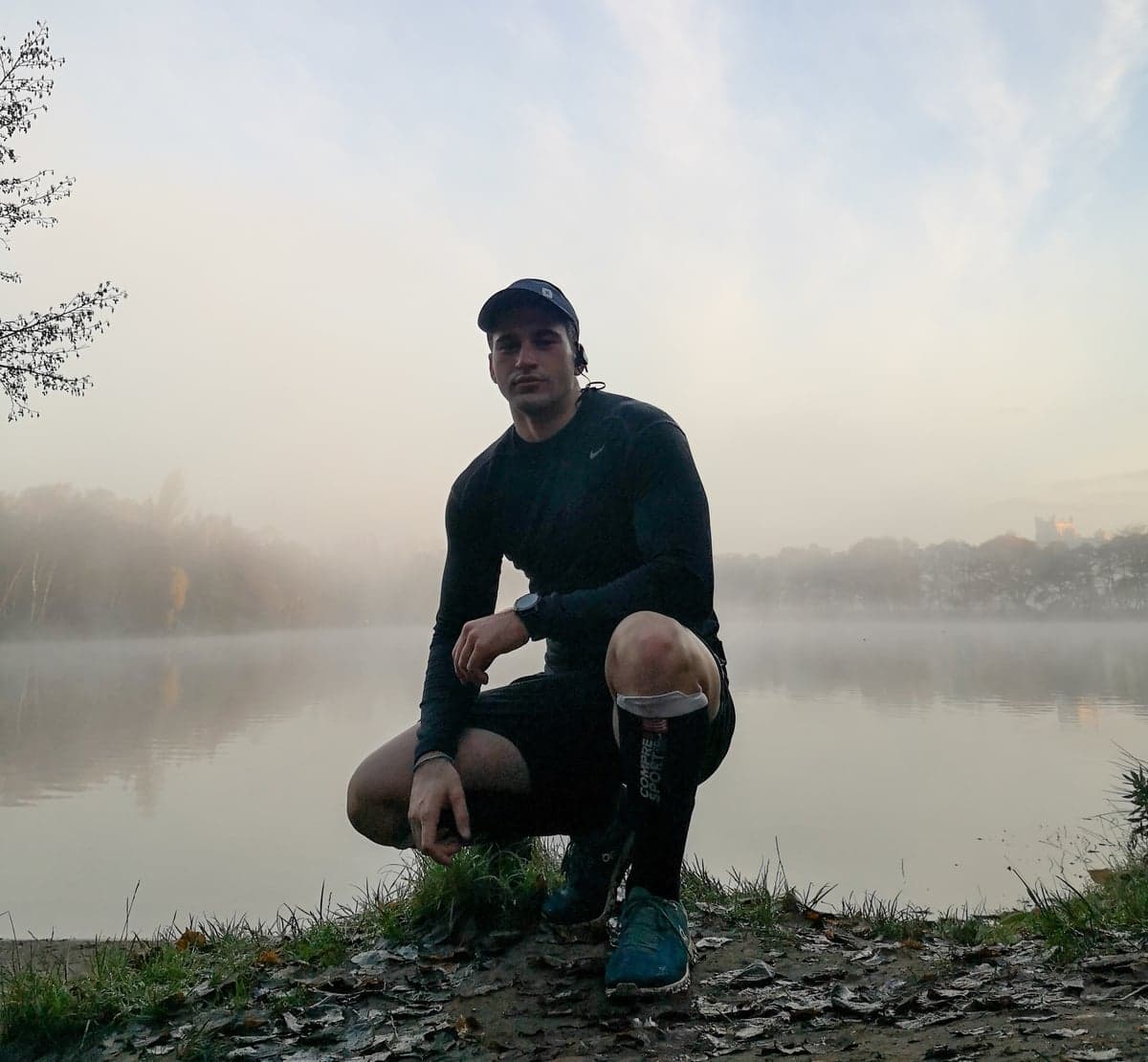
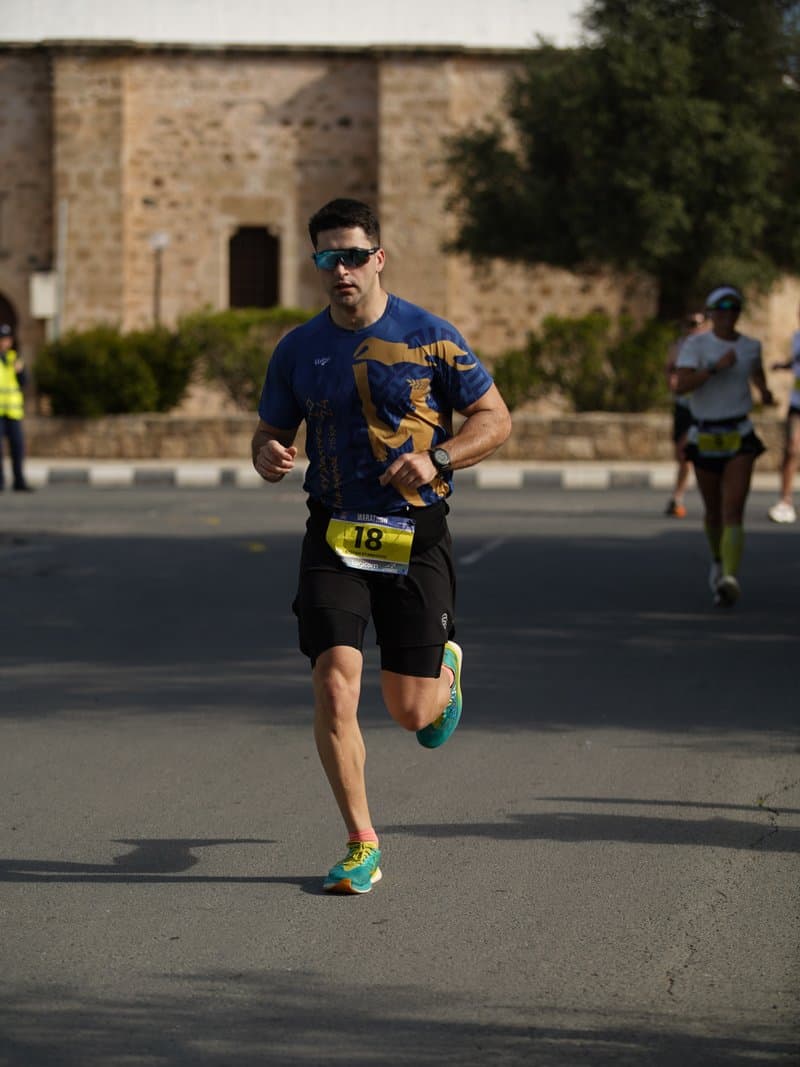
Coaching for me is not a side hustle, this is my full-time job. I became a coach because I love the competition and camaraderie that the endurance community provides. You see, running is art. I've run 215km non-stop across valleys in Greece and many times found myself in the middle of nowhere running around Cyprus. With me, you don't have to worry about what to do and when, I spend most of my time reading up on the latest science and how it can be applied to my athletes. When I am not coaching runners or running myself, I partake in several high-adrenaline activities such as scuba diving and skiing!
COACHING PHILOSOPHY
I always follow the athlete, not a training plan.
Any training plan needs to take into consideration various elements and not just "I want to accomplish x race in x time." This is one of the reasons why preformatted programmes simply do not work. My philosophy when coaching an athlete of any level is focused on where they are today, not where they want to be (which many times is unrealistic because we have x weeks to train for that goal). Training, in my point of view, is simply a balance of providing specific physiological stressors at the right time while balancing that stimulus with enough recovery time. If this balance is not in symphony, adaptations do not occur efficiently, and we risk the possibility of injury and/or overtraining. At BFL, the specific sessions are not determined more than a week in advance, simply because training needs to be adaptive to the person and based on their life stress, health, and schedule!
The Approach
How I Train You
Running is the core of everything we do — but it isn't built in isolation. I combine your running with supplementary strength work and nutrition into one system, tailored to you. Each element carries the others: smart periodized running builds fitness while managing fatigue, strength work protects it, and proper fuelling sharpens recovery.
Running
Periodized training that builds fitness while managing fatigue — the core of it all
Strength
Supplementary work that builds resilience, improves running economy, and prevents injuries
Nutrition
Fuels training, optimizes recovery, and maximizes race-day performance
When these three work together, the result is greater than any one of them alone.
The Evidence
Why Strength Supports Your Running
Running is the priority — strength is supplementary. But it earns its place, and I don't make exaggerated claims about it. Here is what the research actually shows.
3–8%
Improved Running Economy
Strength training improves neuromuscular efficiency and muscle stiffness, letting you run faster at the same effort. Meta-analyses show 3-8% improvements in running economy — minutes off a race time.
Berryman et al. (2018), Int. Journal of Sports Physiology and Performance
~50%
Lower Injury Risk
Properly designed strength training addresses the biomechanical risk factors behind most running injuries. Research shows injury risk reduced by roughly half.
Lauersen et al. (2014), British Journal of Sports Medicine
Enhanced Speed & Power
Maximal strength and plyometric training improve rate of force development — critical for faster paces, hills, and finishing kicks.
Spurrs et al. (2003), European Journal of Applied Physiology
Maintained Form During Fatigue
Core and postural strength prevent the biomechanical breakdown that shows up late in races. Stronger runners hold better form when tired.
Sato & Mokha (2009), Journal of Strength and Conditioning Research
Key Research References
My programming is informed by decades of exercise science research:
- Berryman, N., Maurel, D., & Bosquet, L. (2018). Strength Training for Middle- and Long-Distance Performance: A Meta-Analysis. International Journal of Sports Physiology and Performance, 13(1), 57-63.
- Lauersen, J.B., Bertelsen, D.M., & Andersen, L.B. (2014). The effectiveness of exercise interventions to prevent sports injuries. British Journal of Sports Medicine, 48(11), 871-877.
- Sato, K., & Mokha, M. (2009). Does core strength training influence running kinetics and 5000-M performance? Journal of Strength and Conditioning Research, 23(1), 133-140.
- Spurrs, R.W., Murphy, A.J., & Watsford, M.L. (2003). The effect of plyometric training on distance running performance. European Journal of Applied Physiology, 89(1), 1-7.
- Burke, L.M., Hawley, J.A., Wong, S.H., & Jeukendrup, A.E. (2011). Carbohydrates for training and competition. Journal of Sports Sciences, 29(sup1), S17-S27.
- Seiler, S. (2010). What is best practice for training intensity and duration distribution? International Journal of Sports Physiology and Performance, 5(3), 276-291.
NOTABLE SPORTS ACHIEVEMENTS
- 01Sea to Sky Extreme 135km (CY)
- 02Immortals Race 140km (GR)
- 03Euchidios HyperAthlos 215km (GR)
- 04Rasselbock Backyard Ultra, 24 yards, 160km (UK)
- 05Energy Run Lakatamia, 10km, 3rd Place Age Group Finish (CY)
- 06Paphos Marathon, 42.195km, 3rd Place Age Group Finish (CY)
- 07Big Dog's Backyard Ultra, World Team Championship
- 08Various Unsupported Solo Ultramarathons
QUALIFICATIONS & CERTIFICATIONS
- BSc Sport & Exercise Science, University of Nottingham
- Certified UESCA Running Coach
- Certified UESCA Ultrarunning Coach
- TICTA Emergency First Aid (CPR/AED/First Aid)
- WADA Coaches of High-Performance Education Programme


The Numbers
Personal Running Records
- 5 Kilometers
- 00:19:27
- 10 Kilometers
- 00:39:18
- Half Marathon
- 01:28:58
- Full Marathon
- 03:05:47
- 50 Kilometers
- 04:03:18
- Longest Distance Ran
- 215 KM
My Commitment To You
I believe in transparency. I show you exactly why you're doing what you're doing. Every exercise has a rationale. Every workout follows established periodization. Every recommendation can be traced back to research. And I'm always available to explain my reasoning or adjust your plan.
You deserve to understand your training, not just follow it blindly.
Ready To Talk?
Tell me where you are now and where you want to get to. I'll tell you honestly whether I can help — and how long it's likely to take.
Get In Touch